A Journey Through Emotion and Identity
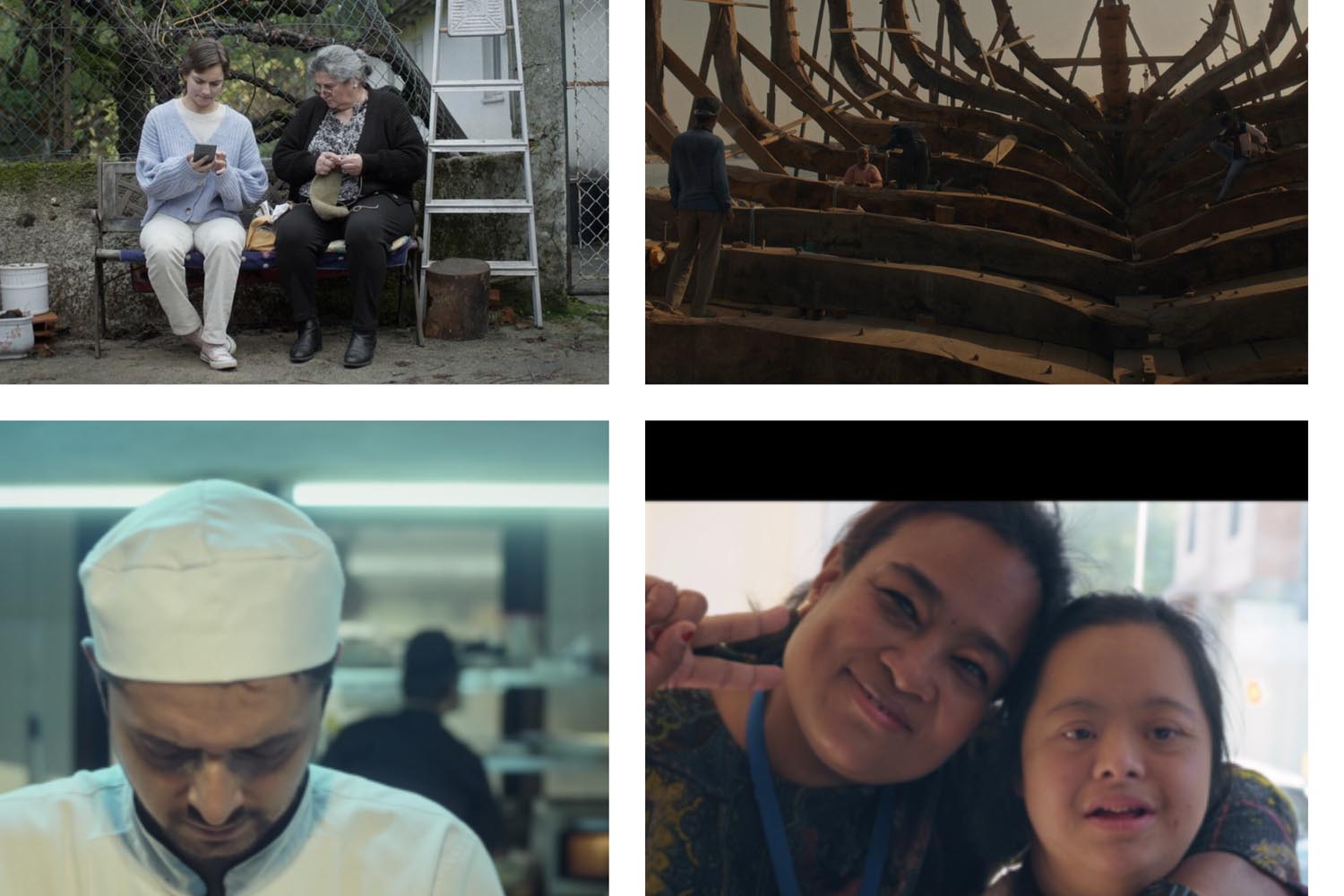
Kathmandu, April 5 — In the quiet town of Portugal, Filomena lives a life of solitude, tending to her vegetable garden and managing her animal farm. Her life is marked by subtle beauty, captured through vivid color gradations and frames that reflect her inner emotions and state of mind. However, when she receives a call from her doctor informing her that her time is limited, she begins to confront the weight of her past.
Filomena's journey is one of guilt and loneliness, leading her to take matters into her own hands. She hires an actress named Ines to help her relive moments she could not fully embrace. With Ines, she reenacts scenes from her past, particularly those involving her daughter and grandchild. This second chance allows her to make amends and find peace with her choices.
The film concludes with a quiet resolution that suggests reconciliation, whether natural or carefully crafted, can bring solace. The raw reality and honesty of human life, as portrayed through Filomena, leaves a bittersweet impression on the audience. Post-screening discussions revealed multiple narratives, highlighting the universal nature of emotions.
Director Joana Alves shared her observations about how people from around the world reacted similarly to the film. "Emotions are universal," she concluded. The film's cast includes Teresa Faria and Ines Costa, while the director and screenwriter is Joana Alves. The production team includes Nuno Bernardo as producer.
The Other Side of the Coin
In another compelling narrative, three fish are transferred from an aquarium to a smaller container, raising the rhetorical question, "Who are humans to decide the fate of the fishes?" This analogy becomes central to the film as it follows three migrant workers—Man Bahadur, Madan, and Durge—as they navigate life in a semi-basement apartment abroad.
Life in a foreign land exists in duality, with these characters working in a restaurant's kitchen during the day and reflecting on their dreams and memories of home at night. The film highlights how human value is often dictated by labor and income. Watching the fish in a small container was unsettling, yet they were not meant for the aquarium either.
Director Sanjay Shrestha explores themes of migration, identity, and resilience in this film. Inspired by "The Bear," the story goes beyond the plight of three migrants and three fish, touching on broader issues of migration. The emotional costs of longing and loss are beautifully presented through warm tones and distinctive colors. The film concludes by addressing how individual desires can reshape the laws of nature.
The film's cast includes Arjun Neupane, Sandesh Shakya, and Rishikesh Basyal. The director and screenwriter is Sanjay Shrestha, with producers Rozi Shrestha and Suyig Shrestha.
The Tide Turns
In the salt desert of Gujarat, India, the friendship of Ranjit and Shyam comes full circle. Both dream of escaping poverty, with Ranjit aspiring to build a unique house and Shyam seeking stable employment. Their journey leads them away from their village, where they both leave behind their roots.
"Money is everything," they say in unison, highlighting the cycle of poverty that binds them. Director Igor Virabov's visual narration mirrors the monsoon season, capturing the struggles of Ranjit and Shyam as they attempt to escape scarcity. Their efforts come at the cost of detachment, loneliness, and the loss of their friendship.
Irony strikes when Ranjit, who dreamed of building a house, is assigned to demolish one. In their pursuit of social mobility, they lose much more than they gain. The film's striking frames and static shots capture the tension and cinematic climax of their lives. Ultimately, both return to their village, reflecting on their journey.
Shot in 2023, the documentary masterfully captures the lived reality of the village. The director is Igor Virabov, with screenwriter Ivan Oganesov. The cast includes Ranjit Salani and Shyam Maru.
Udeko Chara
Shrava, a 38-year-old woman with Down syndrome, finds joy in expressing herself through various forms of art, including dancing, sewing, and drawing. Raised by her mother, Binu Shrestha, the documentary portrays Shrava's emotional and social freedom, which is often entangled in society's stigmatization and lack of understanding regarding intellectual disabilities.
Through visible psychosocial growth, Shrava's achievements reflect the nurturing environment provided by her mother. This environment should be present in every corner of Nepal. Director Luja Manandhar emphasizes the importance of challenging ableism and creating spaces for voices that are often unheard.
The documentary calls for a society that celebrates individuality and dignity. The cast includes Shrava Shrestha, Binu Shrestha, and Sarita Dangol. The director and screenwriter is Luja Manandhar, with Nirveek Khatiwada as co-screenwriter.