The Endangered Craft of Traditional Bornean Instruments
In the heart of Sarawak, where the echoes of ancient traditions still resonate, a craftsman named Salomon Gau continues to preserve the legacy of the sape—a traditional carved wooden lute from Malaysian Borneo. While young musicians are increasingly drawn to playing these instruments, few are willing to take on the laborious task of crafting them. Gau, 62, has inherited stories from his elders that speak of the sape’s origins, not just in wood and strings, but in the realm of spirits.
According to Gau, the first sape was a two-string version, while the four-string model is relatively newer, and the six-string contemporary version is even more recent. These variations reflect the evolving nature of the instrument, yet the core traditions remain deeply rooted in the cultural practices of the Kenyah and Kayan communities. The sape is part of a broader family of boat-shaped lutes made from single blocks of local wood, including the sundatang in Sabah and the kesapi in Brunei.
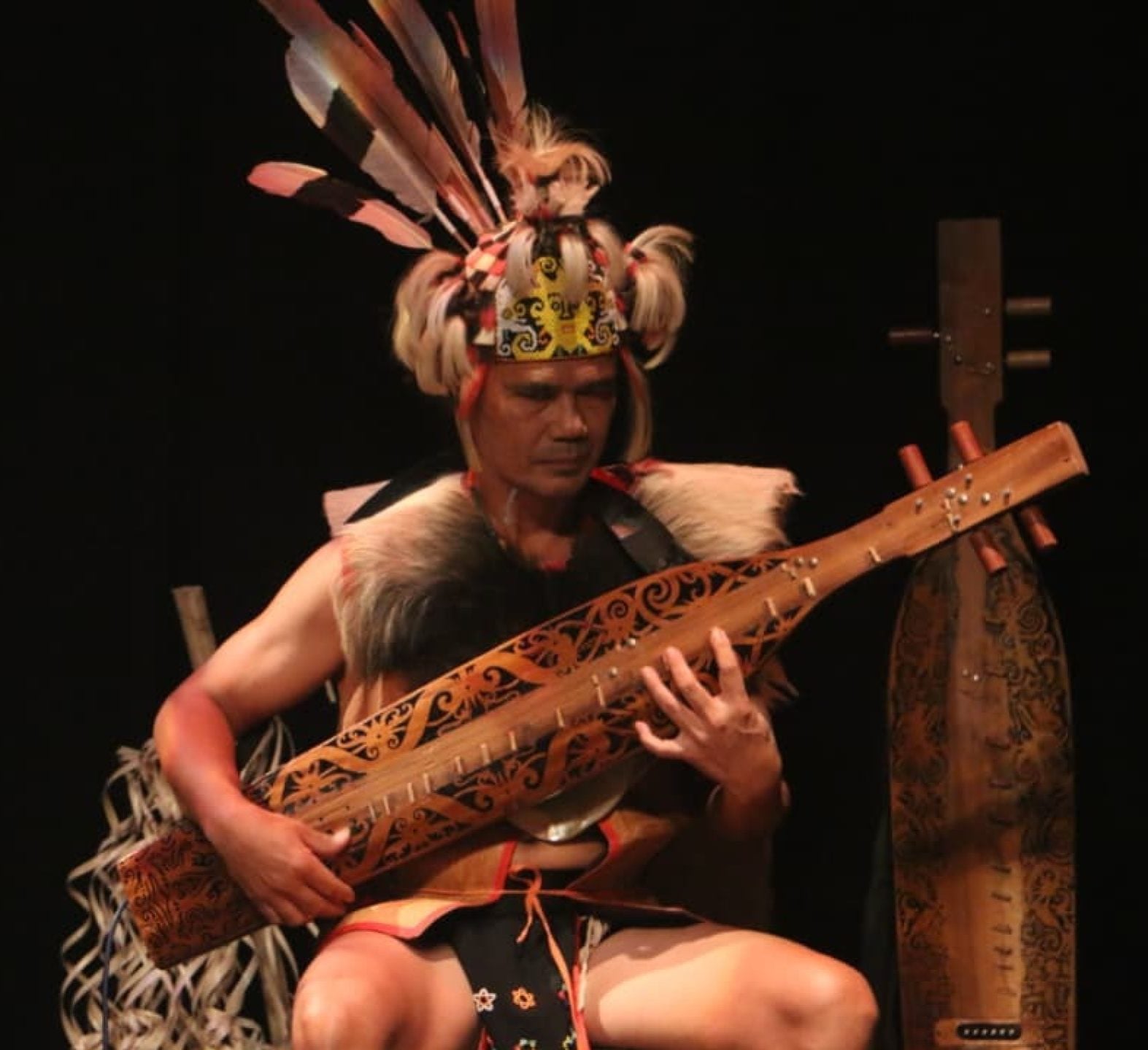
Revival efforts have brought new performers and wider visibility to these instruments, but practitioners like Gau warn that the knowledge needed to make them is at risk of being lost. For Gau, the loss of this knowledge means more than just silent instruments; it threatens the traditions that once gave them meaning. This includes the selection of materials, crafting skills, and the deep connections between sape melodies and aspects of life such as courtship, hospitality, prayer, and community.
"We need to know the right moon phase to gather the wood, and when the wood is cut, we need to know which side should be the face or the hollow belly of the instrument," Gau explained. The orientation of the wood is crucial, as it can affect the sound. "If it is reversed, it is not right. It will not sound right," he added.
A Growing Divide Between Interest and Knowledge
The tension between renewed interest in traditional music and the fading knowledge of how to craft these instruments is felt across Borneo. Gau, who has spent the past two decades immersed in dance, song, and instrument-making, believes that while a revival could produce performers, without the makers, the tradition risks becoming symbolic rather than lived.
"From the old people, from the old ways, we managed to get about 20 tunes, but so far we have managed to revive only three," he said. This highlights the challenge of preserving not just the music, but also the cultural context in which it was created.
In Sabah, musician and artist Mcfeddy Simon, known as Gindung, has been working to bring the sundatang back into the spotlight since 2016. He noted that while more young people are interested in playing the instrument, fewer are interested in making them. This lack of artisans poses a significant threat to the survival of the tradition.
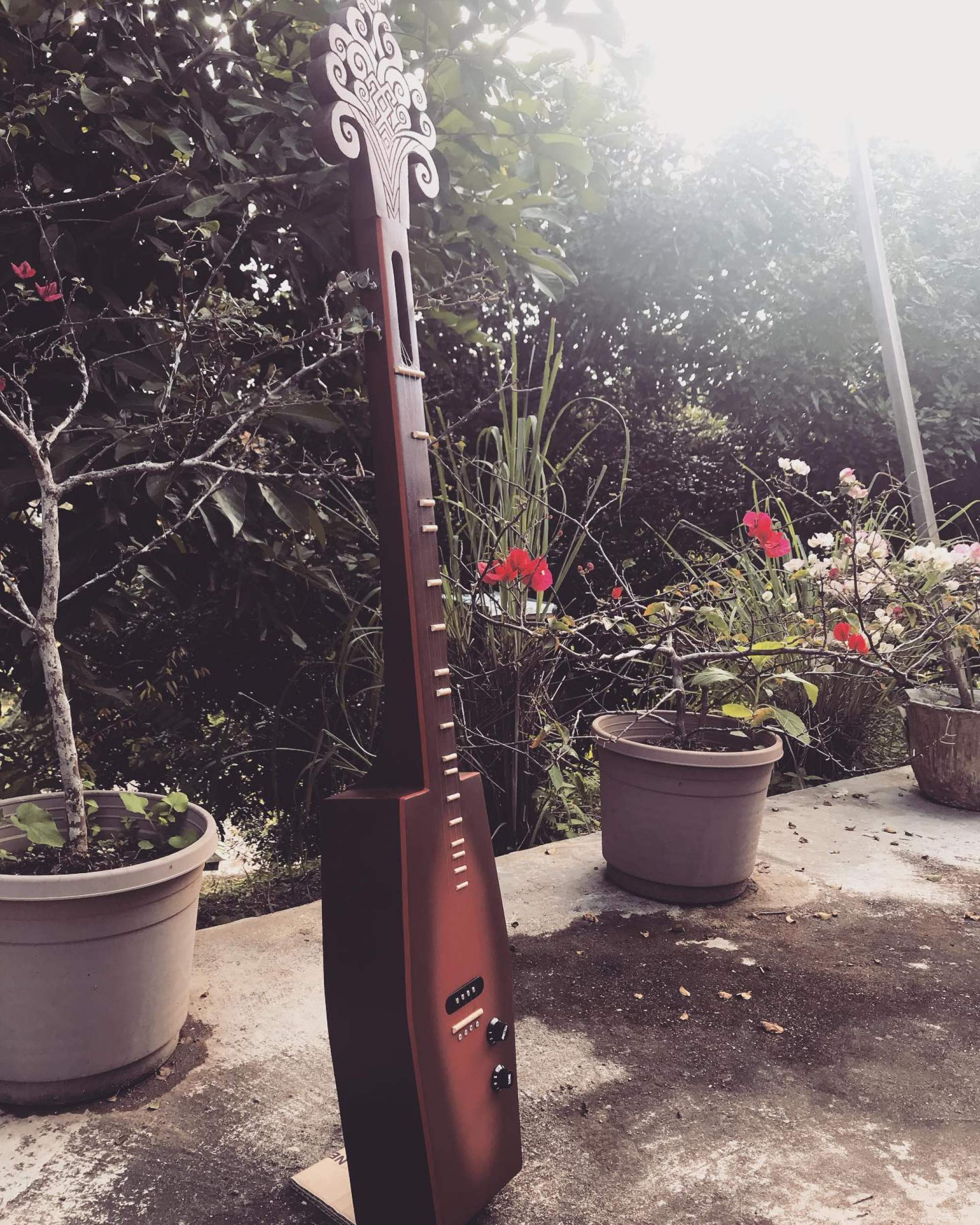
Simon has collaborated with the British Council and Oxford University's Pitt Museum to connect traditional instruments in the Pitt Rivers Museum collection with cultural practitioners from Borneo. This effort has helped elevate the status of these instruments on an international stage.
Catriona Maddocks, a researcher and co-founder of Borneo Bengkel, emphasizes the importance of a multi-faceted approach to preservation. Her work involves tracing mislabeled instruments in museum collections, visiting elders, and supporting living practitioners. She stresses that treating boat lutes as part of a Borneo-wide family, rather than isolated local traditions, is key to building shared knowledge and support.
"We're not trying to merge them into one instrument, and the local individual stories are really important," she said. "But if we just stick to silos, there isn't the opportunity for innovation and learning and documentation skills."
The Need for Sustained Efforts
Despite the progress made, those involved in the revival say that relying solely on festivals and performances is not enough. More makers, better documentation, funding, and infrastructure such as workshops and apprenticeships are essential to sustain the movement.
"With more makers, more understanding, more financial opportunities, it will encourage it to keep being revived," Maddocks said.
For Gau, however, the focus is less on reviving a sound and more on preserving the knowledge that underpins it. "If this revival fails, and the future generation does not know the importance of this instrument, not only for music but also for cultural and traditional preservation, then we lose our identity," he said.
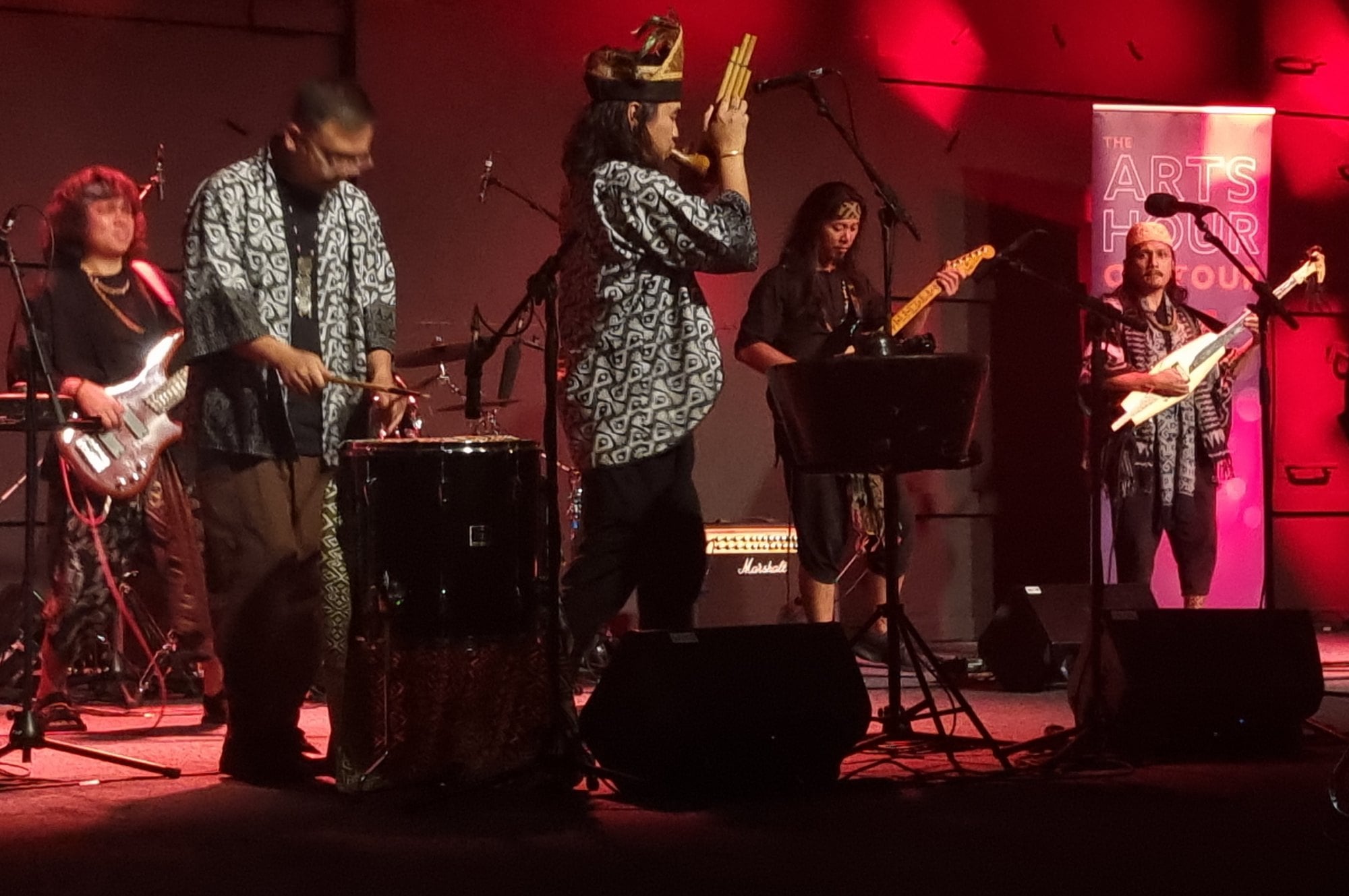
The journey to preserve these instruments is not just about saving music—it is about safeguarding the cultural heritage of Borneo. As the world changes, the need to protect these traditions becomes ever more urgent. The sape, the sundatang, and other traditional instruments are more than just musical tools; they are vessels of history, identity, and community. Their survival depends on the willingness of the next generation to learn, create, and carry forward the knowledge of their ancestors.