Rising Airfares and Geopolitical Tensions Threaten Nepal’s Tourism Industry
Kathmandu, April 5 — Yogendra Shakya, a prominent hotel entrepreneur in Nepal, had to cancel a planned mid-April family trip to Hong Kong due to the exorbitant cost of air travel. "The airfare is so high. It terrorises everyone," said Shakya, chairman of Ace Hotels, which operates Hotel Ambassador in Lazimpat and Club Himalaya in Nagarkot.
A one-way ticket from Kathmandu to Hong Kong now costs around Rs190,000. As a result, Shakya and his family have opted to visit Jomsom instead. His experience is not isolated; it reflects a broader trend across the tourism sector. Travel agencies report that many prospective travelers are postponing or canceling trips as prices surge.
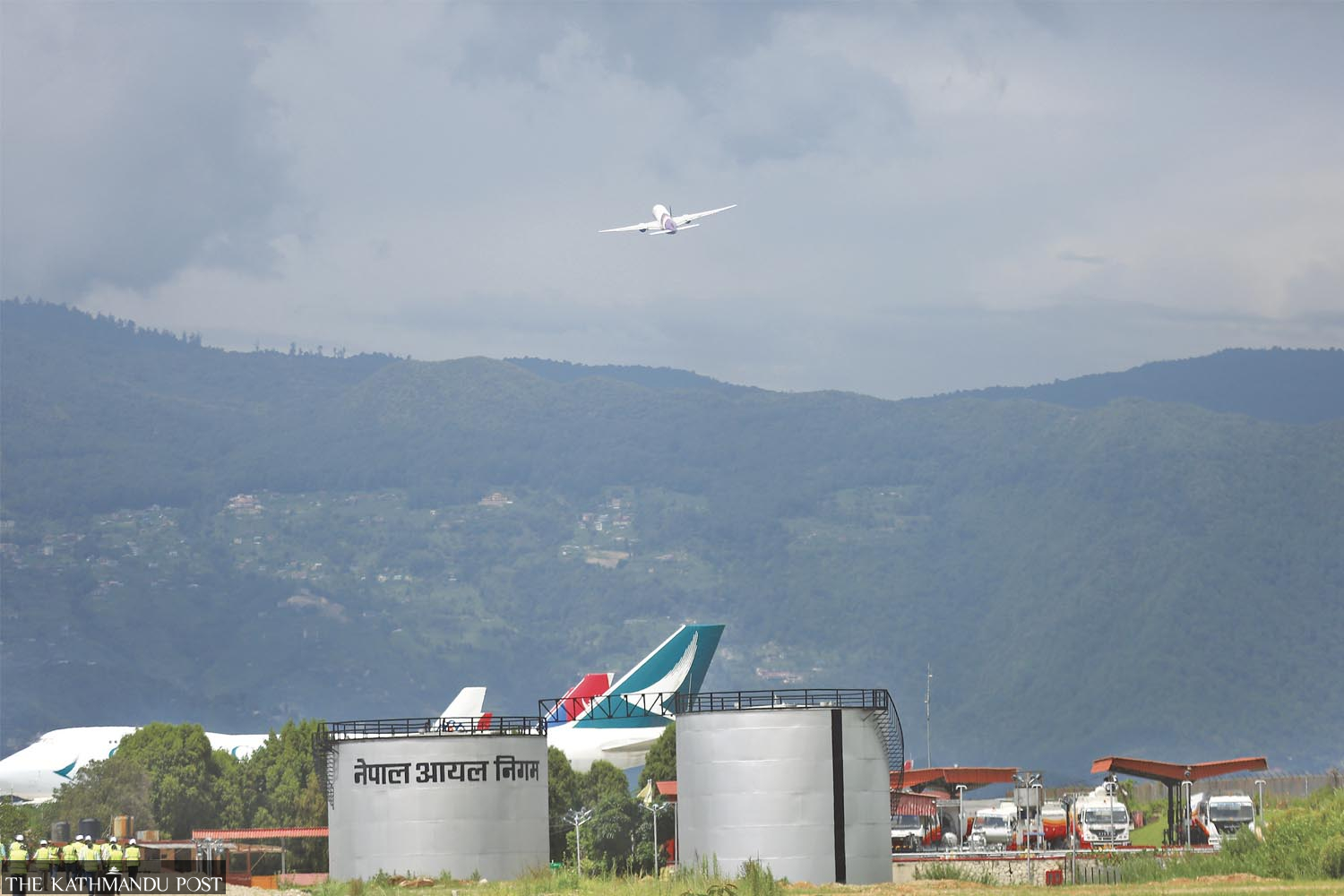
The spike in airfares follows a sharp increase in aviation fuel prices. On Wednesday, Nepal Oil Corporation raised aviation turbine fuel (ATF) rates to historic highs, citing soaring global energy costs driven by the ongoing conflict in West Asia. The price of ATF for international airlines surged 77.63 percent to $1,716 per kilolitre in Kathmandu, surpassing the previous record of $1,645 set in June 2022. For domestic carriers, fuel prices nearly doubled, jumping 97.63 percent to Rs251 a litre—well above the earlier peak of Rs190 per litre recorded in September 2022.
Impact on Tourism and Travel Plans
The rising fuel costs have had a ripple effect across the tourism industry. "For inbound tourism, the situation has become even more difficult," said Shakya. "We were expecting visitors from countries less affected by the West Asia tensions—Japan, Malaysia, China, India—but the fuel price hike has thrown everything into disarray."
Ticketing agents confirm that while those who already purchased tickets for the peak tourism season remain largely unaffected, new bookings have slowed sharply as fares climb. Sangam Lama, a ticketing executive at Osho World Travel Nepal, noted that "ticket prices have more than doubled since Friday."
Some of the most dramatic increases include:
- A one-way ticket from New York to Kathmandu now costs Rs167,000, up from Rs100,000 in February.
- Kathmandu-Dubai fares have jumped to Rs78,000 from Rs35,000.
- Flights to Sydney now cost around Rs190,000, compared to Rs80,000 previously.
- Fares to Japan have risen to Rs130,000 from Rs80,000.
- The steepest increase has been on the Bangkok route, where tickets have surged to Rs105,000 from Rs35,000. Flights between Kathmandu and Kuala Lumpur are sold out, with one-way fares reaching Rs170,000, up from Rs40,000 in February.
Despite these challenges, some routes have seen relatively stable prices. The Kathmandu-Delhi sector remains stable at around Rs18,000, compared to Rs15,000 earlier. Similarly, tickets to South Korea hover at Rs87,000, up modestly from Rs70,000.
Tourism Data Shows Decline Amid Global Uncertainty
Tourism entrepreneurs warn that rising airfares are undermining Nepal's appeal at a critical time. "Globally, tourists are looking for safe destinations and avoiding West Asia, which should benefit Nepal," said Shakya. "But airfare has now become the primary factor forcing them to cancel or postpone trips. The situation is alarming."
The fallout is already visible in tourism data. Nepal's tourism season started strongly, with arrivals growing 15.5 percent in January despite it being an off-season month, followed by an 8.8 percent year-on-year increase in February. However, March saw a 1 percent year-on-year decline, with 120,516 visitors entering the country.
This downturn coincides with escalating geopolitical tensions. On February 28, the United States and Israel launched aerial attacks on Iran, disrupting air routes through West Asia—a key transit corridor linking Asia with Europe and North America. According to the Civil Aviation Authority of Nepal, nearly 400 flights from major transit hubs in the UAE and Qatar have been cancelled over the past month, severely affecting connectivity.
Economic Implications and Future Outlook
Tourism remains a cornerstone of Nepal's economy, contributing about 7 percent to gross domestic product. In 2023, the sector generated around $2.5 billion and supported over 1.19 million jobs, accounting for 15.2 percent of total employment, according to the World Bank.
The latest disruption comes just as the industry was recovering from the impact of the Covid-19 pandemic and last year's protests. Data from the Nepal Tourism Board shows sharp declines in visitors from Europe, West Asia, Africa, and the Americas in March. Only South Asia and Oceania recorded growth.
March to May marks Nepal's peak tourism season, when favorable weather draws trekkers and climbers to the Himalayas. Tourism is a vital economic pillar for thousands of people residing on the slopes of the Himalayas, acting as a primary source of income and livelihood in regions where agriculture is difficult and seasonal.
Yet the season has begun with negative growth, defying expectations of a strong rebound. Arrivals from India have provided some relief, rising 20 percent to 25,728 in March and helping cushion the overall decline.
Air connectivity has been significantly disrupted since March 1, when flights from the UAE and Qatar—key transit hubs accounting for roughly a quarter of international flights to Kathmandu—were suspended. Although some travelers have rerouted through alternative hubs such as Thailand, Singapore, and India, operators say the shift has not been enough to offset losses.
Guragain said that April bookings remain weak, though high-altitude climbers—especially those targeting peaks above 8,000 meters—have largely stayed on schedule. The Everest climbing season begins in early April, with summit attempts typically starting in mid-May. As of April 3, the Department of Tourism had issued 70 climbing permits, including 33 for Mount Everest.
"If the war does not stop, the damage to Nepal's tourism will be severe," Guragain said. "A wide range of sectors—from guides and hotels to airlines, restaurants, and helicopter operators—depend on tourism revenue."
Deepak Raj Joshi, chief executive officer of the Nepal Tourism Board, struck a cautious note. "Despite global conflicts and disruptions, arrival figures are not discouraging," he said. "While arrivals from Europe and America have declined, increased numbers from neighboring countries, particularly India, are a positive sign."
Joshi said the board is focusing on promoting Nepal in nearby markets while preparing for further uncertainty. "The situation does not warrant panic, but neither can we afford complacency," he said. "The evolving crisis in West Asia could impact global tourism in the coming days, and we are adopting a balanced strategy, including expanding into alternative markets."