Escalation of Conflict Between Iran, Israel, and Gulf Nations
Tensions in the Middle East have reached a critical point as Iran launched missiles and drones targeting both Israel and Kuwait. This attack occurred on Sunday, following a statement by former US President Donald Trump, who warned the Islamic Republic that it had 48 hours to reach a deal or face "all Hell." In response, both Kuwait and Israel reported that their air defense systems were actively engaging the incoming threats. This marks the latest escalation in a conflict that has been ongoing for over a month, triggered by US-Israeli strikes that led to retaliation from Tehran.
The war has not only intensified regional hostilities but also disrupted global economic stability. Iran's military continues to assert control over the Strait of Hormuz, a crucial shipping lane for oil and gas. Additionally, Iran has targeted economic assets in Gulf nations, which it perceives as aligned with the US-Israeli war effort.
Economic Strikes and Counterattacks
The conflict has seen a cycle of economic strikes. On Saturday, an Israeli or US strike on a petrochemical hub in southwest Iran resulted in five deaths, according to the deputy governor of Khuzestan province. Trump referenced his earlier ultimatum to Iran, stating on social media: "Remember when I gave Iran ten days to make a deal or open up the Hormuz Strait." He reiterated that time was running out, warning that "48 hours before all Hell will reign down on them."
Iran's central military command rejected this ultimatum, with General Ali Abdollahi Aliabadi calling Trump's threat a "helpless, nervous, unbalanced and stupid action." He countered with a warning that "the gates of hell will open for you."
Trump later shared a video showing explosions lighting up the night sky, claiming that "many of Iran's Military Leaders ... are terminated, along with much else, with this massive strike in Tehran," though he did not specify when the strike occurred.
Shootdowns and Rescue Efforts
Tehran reported that it had shot down an F-15 warplane, while US media reported that American special forces rescued one of its two crew members, with the other still missing. Iran also claimed to have downed a US A-10 ground attack aircraft in the Gulf, with the pilot being rescued. However, Washington has not acknowledged these shootdowns and has provided no updates on efforts to locate the missing airman, whom Iran is also searching for.
Local media quoted the deputy governor of Kohgiluyeh and Boyer-Ahmad province, Fattah Mohammadi, stating that the search for the airman involved "popular forces and tribesmen alongside military forces and is still ongoing." He added that "last night, people fired at enemy helicopters with rifles and did not allow them to land."
Images posted on social media showed Iranian police firing at a US helicopter in southwestern Iran as US forces searched for the airman.
Nuclear Plant Strike and International Concerns
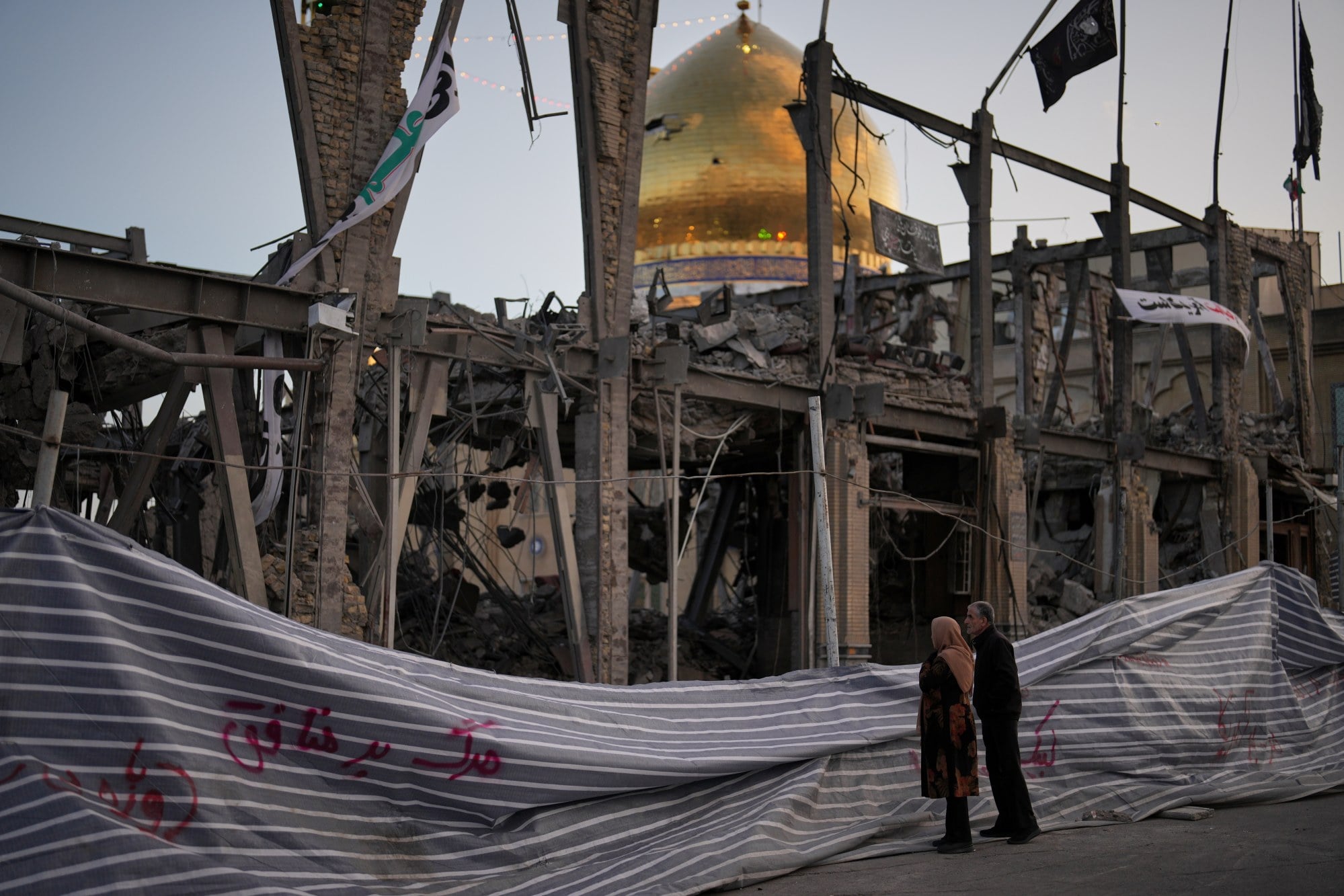
A strike near Iran's Bushehr nuclear plant on Saturday killed a guard, prompting Russia, which partially constructed the facility, to evacuate 198 workers and condemn the attack as "an evil deed." Iranian Foreign Minister Abbas Araghchi warned that continued attacks on the plant could lead to radioactive fallout affecting GCC capitals, not just Tehran. The Bushehr plant is closer to Kuwait, Bahrain, and Qatar than to Tehran.
Rafael Grossi, head of the International Atomic Energy Agency, noted that no increase in radiation levels had been reported at the site, but he expressed "deep concern" over what he described as the fourth such strike in recent weeks.
Widespread Impact and Global Fears
Strikes by all sides have increasingly targeted economic and industrial sites, raising fears of broader disruptions to global energy supplies. On Saturday, US-Israeli strikes hit a petrochemicals hub, a cement plant, and a trade terminal on the Iran-Iraq border, resulting in one reported death.
Iran has retaliated with missile and drone attacks on Israel and US allies in the Gulf. Shrapnel from intercepted drones injured four people in Bahrain, and two buildings in Dubai were hit by debris, including one housing the US cloud computing firm Oracle.
On another front, the Israeli military stated that it had struck more than 3,500 targets across Lebanon since the latest round of fighting with Iran-backed Hezbollah began. As night fell on Saturday, Israel warned of potential strikes near a border crossing between Syria and Lebanon, ordering residents to evacuate.
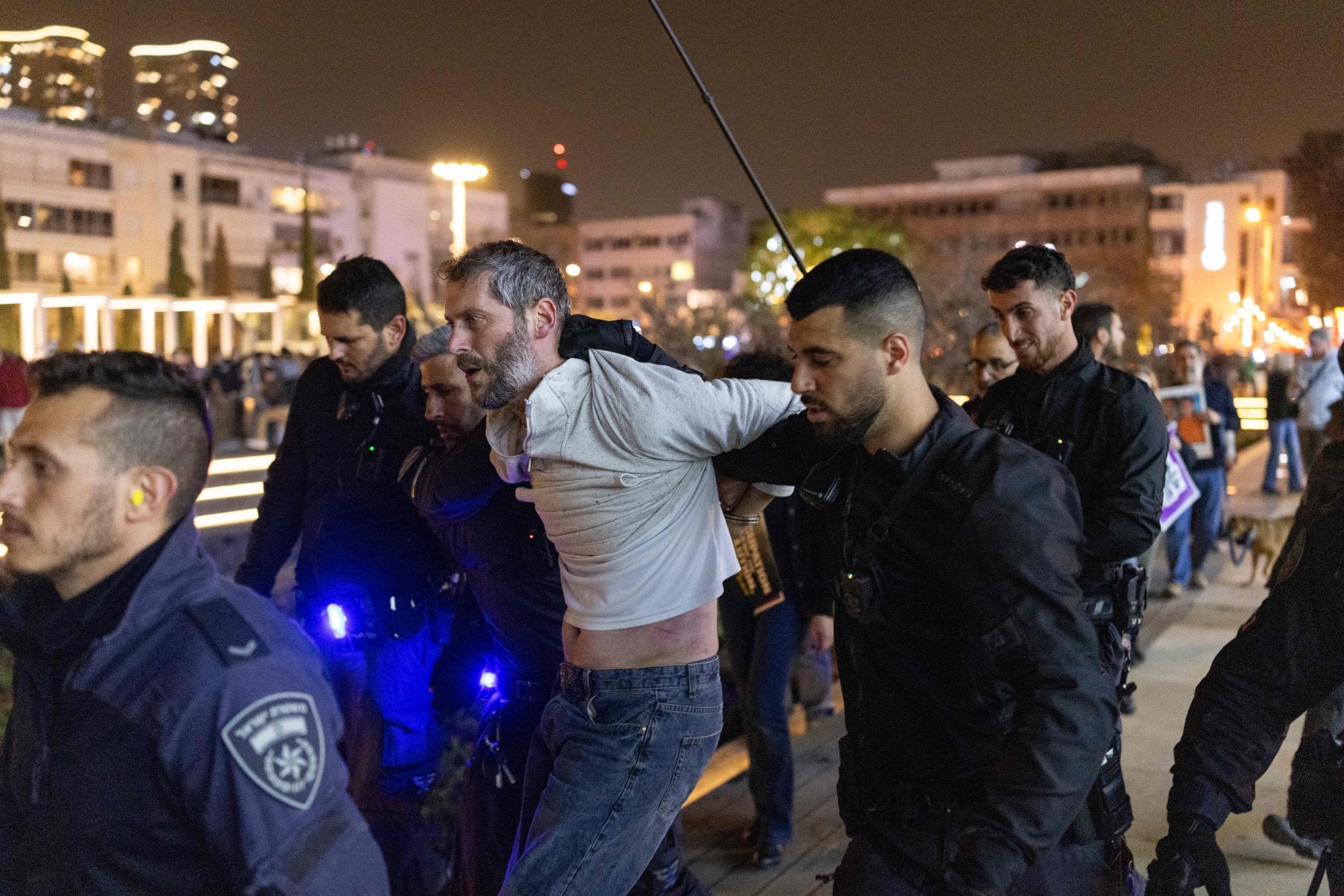
In Tel Aviv, hundreds of Israelis marched to protest the war and demand peace talks.